Research for a Better Society
6–9 October 2026 | Birchwood Hotel, Boksburg, Gauteng
0
0
0
0
Welcome
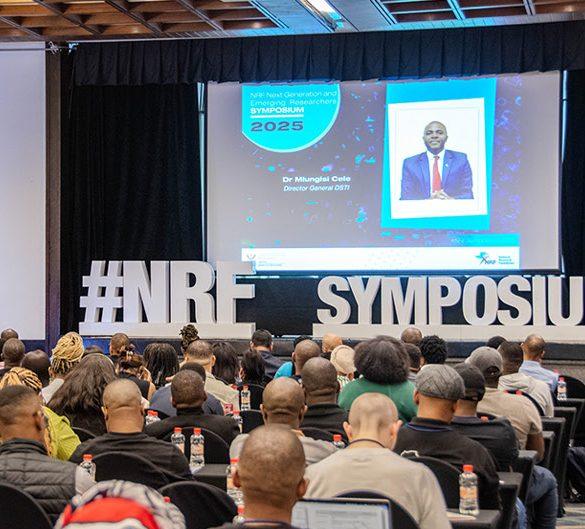
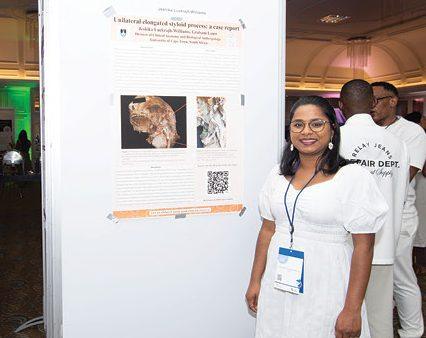
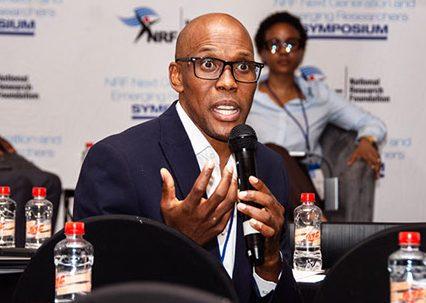
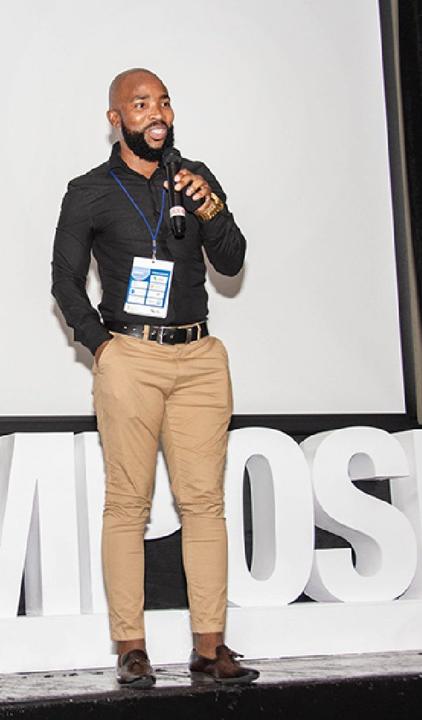
Welcome to the National Research Foundation’s (NRF) Next Generation and Emerging Researchers 2026 Symposium where South Africa’s next generation of researchers meets leading scholars, mentors, industry and partners from across the research ecosystem.
Up to 300 NRF-funded postgraduates, postdocs and early career researchers, three days of panels and presentations, and one question: how does research build a better society?
We are thrilled to gather brilliant minds and passionate young researchers under the inspiring theme “research for a better society.” This year, we aim to explore innovative ideas and impactful solutions that can shape a brighter future for our communities and the world at large.
The NRF’s admirable track record of achievement and success in support of South Africa’s national science system. The organisation continues to actively pursue its mandate to transform the country’s research landscape to one that is equitable, inclusive and excellent. This transformation prioritises fairness in terms of race, gender, and disability, while upholding the highest standard of research quality and knowledge production for the benefit of society. This has been no easy task due to South Africa’s historical social and economic imbalances which presents deep-rooted barriers that require sustained commitment, strategic collaboration, and bold innovation. It has not been an easy road that we have travelled, but we have overcome many challenges to ensure that society reaps the benefits of excellent research.
The NRF is a statutory body mandated to support and promote research through funding, human capacity development and the provision of the necessary research facilities aimed at facilitating the creation of knowledge, innovation and development across all fields of science and technology. One of the business units that is a key driver of this mandate is the Research, Innovation and Impact Support and Advancement (RIISA) unit, which plays a pivotal role in enabling impactful research and innovation outcomes.
In pursuit of its mission to nurture emerging researchers, the NRF has hosted a number of national symposiums and forums for postgraduate students and postdoctoral fellows until 2017. These initiatives played a key role in providing a platform for engagements, academic and grant writing, publication, ethical research, research collaboration, networking and professional development opportunities. However, these were discontinued as a result of organisational restructuring. The discontinuation of both the South African PhD Project and the National Postdoctoral Forum has resulted in the absence of a national platform that can aid in the career development of next generation and emerging researchers as well as receiving valuable feedback from the NRF’s stakeholders and beneficiaries on improving service culture of the organisation.
To address this gap, the NRF Symposium is being reimagined as a dynamic and inclusive platform. It will offer varied opportunities for networking, creating local and global workforce connections, knowledge exchange, and the sharing of topics of their interest and thought-provoking research projects aligned with the NRF’s vision 2030 “research for a better society” and the thematic areas outlined in the DSTI decal plan.
The symposium sets out to develop and support next generation and emerging researchers through:
- One-stop-shop clearing house
- Encouraging innovation and impact
- Interdisciplinary collaboration and knowledge exchange
- Mentorship
- A platform for science communication
- Leadership and strategic direction in research
300
delegates from universities, science councils and industry
4
days, including a schools day and SciComm workshop
9
panels and invited talks on the questions shaping research
65
poster and oral presenters competing for prizes
Why attend
Step into a space where South Africa’s next generation of researchers connects with leading scholars, mentors, industry and partners.
- Exchange ideas
- Build your network
- Find collaborators
- Learn from leaders
- Grow your research
- Create impact
- Develop science engagement skills
- Meet NRF and industry partners
Oral and poster sessions run across five focus areas:
- Health innovation
- Agriculture and environment
- Energy innovation
- Humanities and society
- ICT
Programme
Day 0 opens the doors to Grade 9 students and runs a science communication workshop before the main symposium begins on Wednesday afternoon.
Bridging Futures: science and role modelling for schools
MC: Mr Tebalo Tsatsi | For Grade 8 and 9 learners
09:00–10:00
Arrival and registration
10:00–10:15
Welcome remarks
Mr Kenneth Mthunzi Tshabalala, Principal, Lesiba Secondary School
10:15–10:30
Welcome from the NRF
Dr Mamoeletsi Mosia, Managing Director, SAASTA
10:30–11:30
Role Modelling Campaign
Dr Joyful Mdhluli, South African Astronomical Observatory (SAAO), Mrs Salvation Muthubi (VUT), Mr Thembinkosi Machaba (UCT), Ms Morongwa Ralefeta (SUN)
11:30–12:00
Exhibition, with tea
Moipone Academy, Sci-Bono (UJ), Sefako Makgatho University (HSU), UNISA
12:00–13:00
Science Show
Sci-Bono
13:00–13:15
Closing remarks
Gauteng Department of Education: Ms Antoinette Nocolaai, Curriculum Manager
13:15–14:00
Lunch and departure
SciComm Workshop: communicating your research
MC: Ms Lithakazi Masilela | For postgraduates and early career researchers (about 50 places)
12:00–12:30
Arrival and registration
12:30–13:15
Why SciComm Matters: Finding Your Research Story (Workshop A)
Dr Anton Binneman (SAASTA)
13:15–14:00
Digital Presence: LinkedIn, X and ResearchGate for Researchers (Workshop B)
Prof Lerato Mdaka (NWU)
14:00–14:15
Tea break
15:30–17:00
Pitching Your Research in 3 Minutes (Workshop C)
Facilitator: Dr Meghan Judge (Wits)
Programme Director: Dr Mamoeletsi Mosia
12:00–13:45
Arrival and registration
14:00–14:15
Welcome remarks
Dr Gugu Moche, Deputy CEO: RIISA, National Research Foundation
14:15–14:45
Opening plenary
Dr Mlungisi Cele, Director-General, Department of Science, Technology and Innovation
14:45–15:30
Decolonising Research
Prof Mncedisi Maphalala (MUT), Dr Dimpho Maponya (UJ, Dr Mpoe Keikelame (Independent Researcher)
15:30–16:15
Geopolitical Tensions and the Future of International Research Funding
Prof Ntobeko Ntusi (SAMRC), Mr Brian Mphahlele (Quantum Leap Energy), Dr Nokuthula Mchunu, NRF
16:30–18:00
Break
18:00–21:30
Poster viewing, networking and cocktail dinner
Programme Director: Mr Katleho Ralehoko
07:00–08:00
Breakfast
08:00–08:30
Arrival and registration
08:30–09:10
Managing Imposter Syndrome and Research Burnout (Invited speaker)
Prof Renata Schoeman, Stellenbosch Business School (USB)
09:10–09:50
Research for Impact (Invited speaker)
Prof Lerato Mdaka (NWU)
09:50–10:00
A Break for the Mind in Motion (Mental rest break)
Dr Leana Meiring (NRF)
10:00–10:20
Tea break
10:20–11:00
Proper Use of AI in the Digital World
Dr Makaziwe Makamba (Independent Consultant), Prof Alison Gilwald, Research (ICT), Dr Jabu Mtsweni, The Council for Scientific and Industrial Research (CSIR)
11:00–12:20
Session 1: Agriculture and Environment (Oral presentations)
12:20–13:30
Lunch
13:30–15:00
Breakaway oral presentations
Session 2: Health Innovation
Session 3: Humanities and Society
15:00–15:15
Tea break
15:15–16:30
Breakaway oral presentations
Session 4: Energy Innovation
Session 5: ICT
18:30–23:00
Gala dinner
Programme Director: Dr Nana Boaduo
07:00–08:00
Breakfast
08:30–09:00
Arrival and registration
09:00–10:00
Solving the Commercialisation Conundrum Mr Letlotlo Phohole (WITS), Prof Kanzumba Kusakana (CUT), Prof Sudesh Sivarasu (UCT)
10:00–11:00
The Role of the Decadal Plan-aligned Research Chairs in the Research Eco-system (Panel Discussion)
Prof Pfano Mashau (DUT),
Prof Sandy-Lyn Steenhuisen (UFS), Prof Fiona Anciano (UWC), Prof Kgothatso Shai (UL)
11:00–11:30
Prize Giving (Announcement of Oral and Poster Presentation Winners)
11:30–11:45
Tea break
11:45–12:45
Transformation in the Research Enterprise: Are We Making Real Progress? (Panel)
Dr Gugu Moche (NRF),
Dr Nomakhwezi Mzilikazi (RU), Ms Zamanzima Mazibuko-Makena (MISTRA)
12:45–13:00
Closing session
Dr Mbulelo Ncango, Managing Director (NRF-RA)
13:00
Lunch and departure
Speakers and panels
Researchers, research chairs and leaders from across the National System of Innovation, grouped by the session they lead.
Day 0 | 12:30
SciComm Workshop: communicating your research
Workshops for postgraduates and early career researchers
Dr Anton Binneman
SAASTA

Prof Lerato Mdaka
North-West University
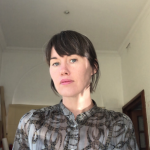
Dr Meghan Judge
University of the Witwatersrand
Prof Lerato E. Mdaka is an associate professor in the School of Management Sciences at North-West University whose work focuses on strengthening entrepreneurship ecosystems, innovation capacity, and sustainable development across Africa.
Prof. Mdaka serves as the Africa Regional Chair for the Academy of Business and Emerging Markets, Council Member of the University of Kigali, Rwanda and Founding Board Member of the International Conference on Green and Sustainable Development. She serves as the Associate Editor for the Journal of Financial and Management Sciences. She is the international programme assessor for the Pan African University network supporting the development of entrepreneurship curricula across African Union institutions in Algeria, Kenya, Nigeria, Cameroon and South Africa. She also serves as an International Subject Matter Consultant for the Eswatini Higher Education Council, contributing to higher education quality assurance across universities in Eswatini. Beyond Africa, She spearheads international experiential-learning collaborations with institutions in Europe, UK, Africa, Asia, and North America, facilitating global entrepreneurship and service-learning projects that enrich interdisciplinary student experiences.
Before academia, she worked as Business Development Manager at the Research Institute for Innovation and Sustainability and the Marketing Manager for the Southern Africa Innovation Summit, contributing to innovation development initiatives and industry partnerships. Lerato specializes in enterprise development and open innovation across private and public sectors and supports township-based tech startups as an Entrepreneurship Mentor at The Innovation Hub, South Africa.
Prof. Mdaka’s work has received several recognitions for teaching, research, and social impact. She is a recipient of the North-West University Excellence Award for Community Engagement; Excellence in Research Quality Award; Excellence in Teaching Award; the ENACTUS South Africa Faculty Advisor of the Year (2022) and National Administrator of the Year (2021) for her mentorship of student social entrepreneurs.
Day 1 and Day 3
Welcome, Opening and Closing
Plenary
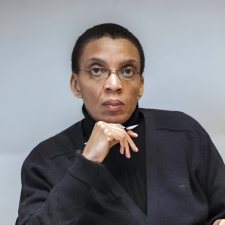
Dr Gugu Moche
Group Executive: Digital Transformation and Deputy CEO: RIISA, NRF
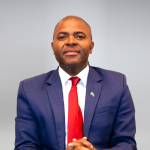
Dr Mlungisi Cele
Director-General, Department of Science, Technology and Innovation
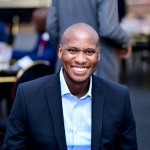
Dr Mbulelo Ncango
Managing Director, NRF-RA
Day 1 | 13:45
Decolonising Research
Panel
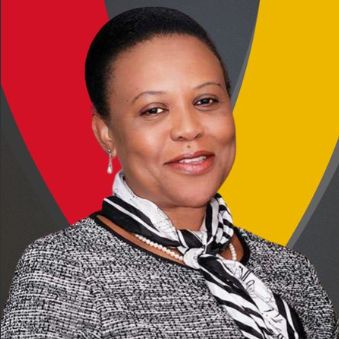
Prof Mpilo Pearl Sithole
Facilitator | CEO, National Institute for the Humanities and Social Sciences
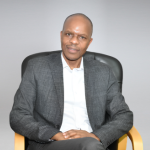
Prof Mncedisi Maphalala
Mangosuthu University of Technology
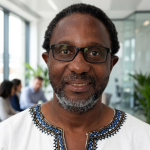
Prof Lungisile Ntsebeza
University of Cape Town
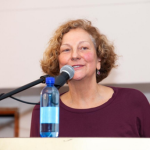
Prof Melissa Steyn
University of the Witwatersrand
Dr Mpoe Keikelame
Independent Researcher
Professor Mpilo Pearl Sithole is a social anthropologist whose interests lie on issues of: governance; gender and development; as well as social inequality. She is the CEO of the National Institute for the Humanities and Social Sciences (NIHSS) based in Johannesburg, South Africa. She has spent her career in both academic and applied development settings. Her undergraduate studies were completed at the University of Durban-Westville in South Africa. Her MPhil and Doctoral studies were completed at the University of Cambridge in the UK.
Prof Sithole’s writings include a book titled Unequal Peers: The Politics of Discourse Management in the Social Sciences (2009), and a number of journal articles on governance (including traditional leadership), development, and knowledge production. Her analysis on the impact of a pandemic on developmentalism shows how scholarship and lived reality should relate. She has spent a significant amount of time in her career reflecting on the place of the Social Sciences within science as a whole (Sithole MP 2001 and 2006). Recently (2024) she articulated the concept of ‘the menial ditch’ to explain how women end up occupying secondary status in professional spaces despite their capabilities.
A versatile scholar, Prof Sithole has worked in various academic and research institutions in South Africa. Recent positions in her career include being Campus Vice Principal: Academic and Research at the University of the Free State, QwaQwa Campus; and being a Public Service Commissioner for the province of KwaZulu-Natal.
In 2011 she was recognised by the South African Department of Science and Technology with a Women in Science award – for her work as a social scientist. In 2021 she was appointed as an academician of the Pontifical Academy of the Social Sciences a science academy based at the Vatican City. She has also been also part of the Scientific Advisory Committee for UNESCO’s Management of Social Transformation (MOST) Programme. This appointment has recently been extended to a second term.
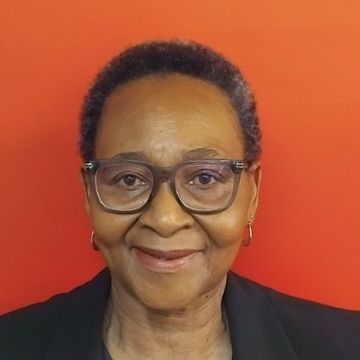
Dr Mpoe Johannah Keikelame is a social scientist, qualitative research consultant, educator and scholar. She holds a PhD in Psychology from Stellenbosch University. Her doctoral research explored perspectives and subjective experiences of adults living with epilepsy and their carers in an urban township in Cape Town. Her fieldwork brought to the fore some methodological issues that are important for advancing decolonising research. Lessons learned from this fieldwork highlight the value of attending unexpected events and remaining curious about what they reveal about assumptions, cultural contexts and ethical questions. These lessons further demonstrate the need for researchers to critically reflect on how context, culture, research encounters, relationships and knowledge production shape the research process, and to be transparent about how these factors influence their decisions and actions. Her contribution to the Decolonising Research panel draws on her scholarship and fieldwork experience to explore pathways for advancing the decolonisation of research within South Africa’s knowledge and innovation landscape
Day 1 | 14:30
Geopolitical Tensions and the Future of International Research Funding
Panel
Prof Sara Mosoetsa
Facilitator
Prof Ntobeko Ntusi
President and CEO, South African Medical Research Council
Prof Bhaso Ndzendze
University of Johannesburg
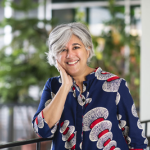
Prof Shireen Hassim
University of the Witwatersrand
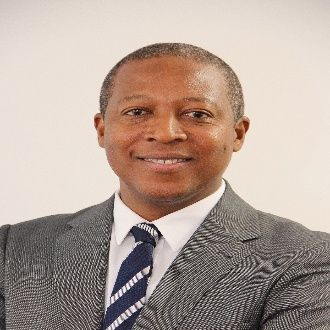
Professor Ntobeko Ntusi is the President and CEO of the South African Medical Research Council (SAMRC). He is also appointed as Professor of Medicine at the University of Cape Town. He is a distinguished and highly respected figure in the medical community as a key global opinion leader. His lifelong passion for evidence-based healthcare, noncommunicable disease multimorbidity, and universal health coverage has positioned him as a trailblazer in medical research.
Prof. Ntusi is committed to advancing medical research and innovation; and is passionate about improving healthcare outcomes aligned with the SAMRC's mandate to advance the nation’s health and quality of life. His leadership spans various national, regional, and international platforms, where he has played pivotal roles in shaping academic agendas, postgraduate medical education standards, and advancing key national strategic priorities. His commitment to mentoring young professionals and supervising postgraduate students underscores his passion for nurturing the next generation of medical leaders, instilling hope for the future of medical leadership.
He is a member of the Academy of Science of South Africa, and has fellowships from The World Academy of Science, the Royal Society of South Africa, the Royal College of Physicians, and the University of Cape Town College of Fellows. Prof. Ntusi obtained a BSc (Hons) degree in Cellular and Molecular Biology from Haverford College, USA, and an MBChB degree from the University of Cape Town. He is a qualified physician and cardiologist, and holds numerous additional qualifications, including a DPhil in Cardiovascular Medicine from the University of Oxford, St. Cross College, and an MD in Cardiology from the University of Cape Town.
Prof. Ntusi provides key scientific leadership globally through boards and scientific advisory committees of numerous organisations he serves on.
Day 2 | 08:30
Managing Imposter Syndrome and Research Burnout
Invited talk

Prof Renata Schoeman
Stellenbosch Business School
Day 2 | 09:10
Research for Impact
Invited talk
Prof Lerato Mdaka
North-West University
Prof Lerato E. Mdaka is an associate professor in the School of Management Sciences at North-West University whose work focuses on strengthening entrepreneurship ecosystems, innovation capacity, and sustainable development across Africa.
Prof. Mdaka serves as the Africa Regional Chair for the Academy of Business and Emerging Markets, Council Member of the University of Kigali, Rwanda and Founding Board Member of the International Conference on Green and Sustainable Development. She serves as the Associate Editor for the Journal of Financial and Management Sciences. She is the international programme assessor for the Pan African University network supporting the development of entrepreneurship curricula across African Union institutions in Algeria, Kenya, Nigeria, Cameroon and South Africa. She also serves as an International Subject Matter Consultant for the Eswatini Higher Education Council, contributing to higher education quality assurance across universities in Eswatini. Beyond Africa, She spearheads international experiential-learning collaborations with institutions in Europe, UK, Africa, Asia, and North America, facilitating global entrepreneurship and service-learning projects that enrich interdisciplinary student experiences.
Before academia, she worked as Business Development Manager at the Research Institute for Innovation and Sustainability and the Marketing Manager for the Southern Africa Innovation Summit, contributing to innovation development initiatives and industry partnerships. Lerato specializes in enterprise development and open innovation across private and public sectors and supports township-based tech startups as an Entrepreneurship Mentor at The Innovation Hub, South Africa.
Prof. Mdaka’s work has received several recognitions for teaching, research, and social impact. She is a recipient of the North-West University Excellence Award for Community Engagement; Excellence in Research Quality Award; Excellence in Teaching Award; the ENACTUS South Africa Faculty Advisor of the Year (2022) and National Administrator of the Year (2021) for her mentorship of student social entrepreneurs.
Day 2 | 09:50
A Break for the Mind in Motion
Mental rest break
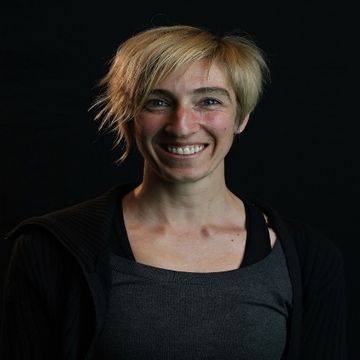
Dr Leana Meiring
Research Management Specialist, NRF
Leana Meiring is a Research Management Specialist at the National Research Foundation (NRF) and a professionally qualified Research Psychologist. She obtained her Doctor of Psychology degree from the University of South Africa (UNISA) in 2023, with doctoral research focused on promoting employee well-being through a yoga-based positive psychology intervention.
Passionate about holistic wellness, Leana has been facilitating yoga and meditation practices since 2016. Her work and personal interests are grounded in the belief that well-being is cultivated through disciplined and intentional practice. To nurture her own well-being, she studies Yoga, Vipassana meditation, and Tai Chi as a martial art. Through both her professional and personal endeavors, she advocates for taking responsibility for one's well-being and living a balanced, mindful life.
Day 2 | 10:20
Proper Use of AI in the Digital World
Panel
Dr Tshepo Feela
Facilitator
Prof Noluxolo Gcaza
Nelson Mandela University
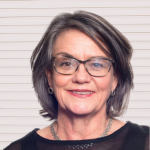
Prof Alison Gillwald
Research ICT Africa
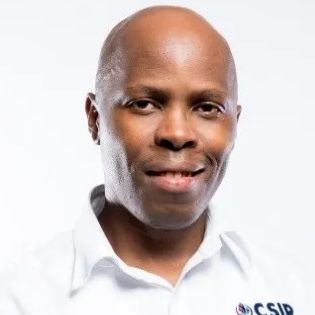
Dr Jabu Mtsweni
CSIR
Jabu Mtsweni is the Executive Cluster Manager at the CSIR NextGen Enterprises and Institutions cluster and a chief researcher. He is a National Research Foundation-rated researcher (C2), a Certified Cybersecurity Manager, a Research Fellow at Stellenbosch University, an IITPSA professional member and the technical leader of the National Policy Data Observatory – an initiative of the Department of Science, Technology and Innovation that supports data-driven decision-making and policy formulation in government. Prior to his appointment as the Executive Cluster Manager, Dr Mtsweni served as the Head of Information and Cybersecurity Centre at the CSIR.
Dr Mtsweni is an accomplished researcher and technology expert with over 20 years of experience in Computer Science and Information Technology. His areas of expertise include cyber and information security, data science, network systems, software development and socially relevant computing.
He holds a PhD degree in computer science from the University of South Africa (UNISA), along with several senior leadership certificates from various institutions. He has been recognised as one of the Top 50 Cybersecurity Professionals in South Africa and is a recipient of the NTSF-South32 Management Award (commonly referred to as the “Science Oscars”). Over the course of his career, he has received several awards for his contributions as an ICT technician, lecturer, researcher, software engineer, researcher, technical specialist and strategic leader.
Dr Mtsweni has served advisory roles across various national structures, including the Ministerial Task Team on Digital Transformation for the Department of International Relations and Cooperation and the Ministerial Review Committee on the Modernisation of Government Printing Works. He also serves as a technical advisor to the University of Pretoria and Tshwane University of Technology and as an external supervisor at UNISA, supporting Master’s and PhD candidates.
He is also a member of the International Telecommunication Union Study Group 7, which deals with issues relating to cybersecurity and artificial intelligence security. He is a member of an international non-profit organisation called the Charter of Trust, which promotes security principles across multinational organisations. He is also a National Representative on Technical Committee of the International Federation for Information Processing (IFIP), which focuses on ICT and society. In addition, he is a member of the Digital Equity Committee within IFIP. Furthermore, he has participated in several international collaborations with experts across the globe.
He is an author, speaker, teacher, mentor and motivator and has published over 90 peer-reviewed conference and journal articles over the years in various forums, focusing on information technology, ICT for development, socially relevant computing, information and cybersecurity, skills development, information warfare and data science.
He regularly speaks as an invited speaker at local and international cybersecurity conferences, as well as on radio and television programmes. He has worked with public- and private-sector partners on large and complex ICT projects.
On a personal note, Dr Mtsweni is married with two children and is a Comrades Marathon runner and a social golfer.
Day 3 | 09:15
Solving the Commercialisation Conundrum
Panel
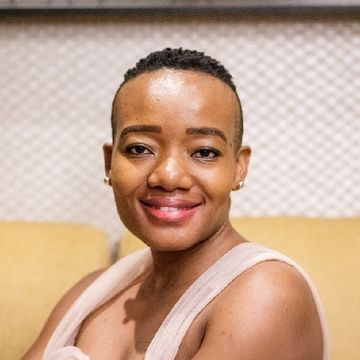
Dr Bathabile Ramalapa
Facilitator | CSIR
Prof Brett Bowman
University of the Witwatersrand
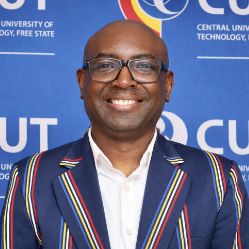
Prof Kanzumba Kusakana
Central University of Technology
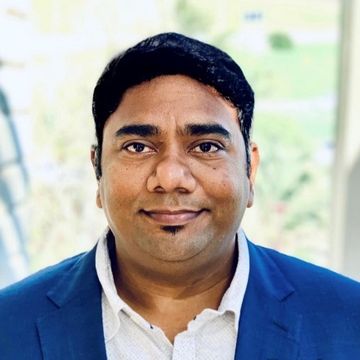
Prof Sudesh Sivarasu
University of Cape Town
Dr Ramalapa leads the Biotherapeutics Formulation and Delivery platform at the Council for Scientific and Industrial Research (CSIR), where her team develops drug delivery systems for diabetes, breast cancer, and antimicrobial resistance, engineered for African climate conditions and affordability. She holds two PhDs, in Chemical Sciences from the University of Liège and in Experimental and Analytical Pharmacology from the University of Angers, completed under an Erasmus Mundus dual PhD fellowship. Dr Ramalapa is also an Extraordinary Senior Lecturer in the Research Focus Area: Material Science Innovation and Modelling at North-West University (NWU), where she contributes to postgraduate training, research supervision, and capacity development in biomaterials and health technologies.
Her career carries an Africa Oxford Fellowship in Health Innovation and Entrepreneurship from Oxford University, a Novartis Research Fellowship in Switzerland and a Bill & Melinda Gates Foundation visiting scholar grant training at the School of Pharmacy in the University of Nottingham. She has been a Senior Technical advisor for the Vaccine Innovation Manufacturing Strategy commissioned by the DSTI. She serves on the Human Sciences Research Council Research Ethics Committee. As an emissary of the Science Diplomacy Capital for Africa, she advocates for African science diplomacy, fostering global partnerships and promoting science-informed health policy. She also serves on the BRICS working group for materials science and nanotechnology, representing South Africa on that platform.
Kanzumba Kusakana is a Full Professor of Electrical Engineering at the Central University of Technology, Free State (CUT), and holder of the NRF SARChI Tier 1 Chair in Smart and Sustainable Energy Systems. He is an NRF C2-rated researcher, registered Professional Engineer (Pr Eng), and Fellow of the South African Institute of Electrical Engineers (SAIEE).
His research focuses on sustainable energy systems, smart grids, renewable energy integration, energy storage, optimisation and intelligent energy management. He has published more than 300 peer-reviewed research outputs, has an h-index of 37, and has been recognised among Stanford University’s Top 2% Most Influential Scientists.
Prof Kusakana has extensive experience in research leadership, postgraduate supervision, industry collaboration and competitive research funding, having secured more than R25 million in research funding. He also serves as an Associate Editor of the Journal of Energy Storage and is actively involved in developing research capacity and translating energy research into practical solutions
Professor Sudesh Sivarasu, PhD, holds the DSTI/NRF South African Research Chair (SARChI) in Biomedical Engineering & Innovation at the University of Cape Town, where he is Head of the Division of Biomedical Engineering and Director of the Biomedical Engineering Research Centre (BMERC). His research addresses the design and translation of affordable, appropriate medical technologies, guided by the Frugal Biodesign methodology he developed, which is now applied in medical device programmes across several continents.
His intellectual property portfolio spans 24 patent families, 89 patent applications and 39 granted patents in jurisdictions including the UK, USA, EU, India, China and South Africa. Technologies from his laboratory have led to five spinout companies, namely Impulse Biomedical, Vas MedTech, Khaya HealthTech, HealthShot and reScribe, with a collective valuation exceeding ZAR 200 million. Products from these ventures include the Easy Squeezy assistive inhaler, the ZiBiPen reloadable adrenaline auto-injector, the FlexiGyn portable hysteroscope and the Inspyre sleep apnoea device. Alongside this commercial pipeline, he has released six open-source innovations, namely the UCT ViZAR face shield, the UCT OpenAir ventilator, the UBUNTU Booth, the UCT Hearo, the Ptosis Crutch and the UCT ADL Arm, which are used in more than 17 countries. During COVID-19 he led the academic contribution to South Africa’s National Ventilator Project in support of the CSIR, through which 20,000 ventilators were manufactured and distributed. In total, more than 100,000 medical devices arising from his work have been deployed globally through commercial and humanitarian channels. Professor Sivarasu has secured over ZAR 300 million in research funding across competitive national and international grants.
He has produced over 145 scholarly outputs, including 68 peer-reviewed journal articles and two books, Frugal Innovation (2026) and Medical Devices Innovation for Africa (2023), and contributed to the WHO policy book Development of Medical Device Policies (2025). His work has attracted 24 awards across four continents, including the, NSTF South 32 Engineering Research Capacity Development Award, NSTF-South32 TW Kambule Award for Emerging Researcher, the DST Innovation Bridge Award, SFSA Award, and the UCT Deputy Vice-Chancellor’s Award for Achievement in Innovation, the university’s highest innovation honour, held by only four people in its history. He was elected to the Global Young Academy (2019 to 2024) and the South African Young Academy of Science (2019 to 2024), where he served as Co-Chair and on the Executive Committee. He is the President of the Biomedical Engineering Society of South Africa and serves on the IFMBE Administrative Council and the WHO Health Technology Access Programme. He has supervised more than 100 postgraduate researchers, many of whom now lead medical device companies and academic research groups.
Day 3 | 10:15
The Role of Decadal Plan-aligned Research Chairs in the Research Ecosystem
Panel
Kgomotso Ramushu
Facilitator
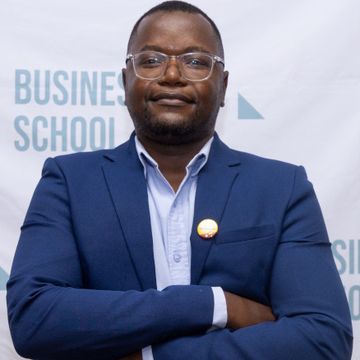
Prof Pfano Mashau
Durban University of Technology
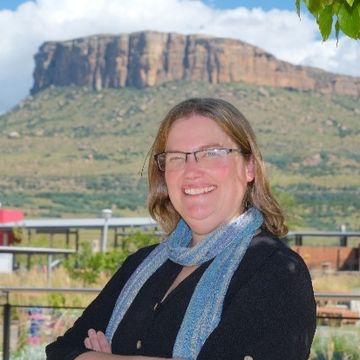
Prof Sandy-Lyn Steenhuisen
University of the Free State
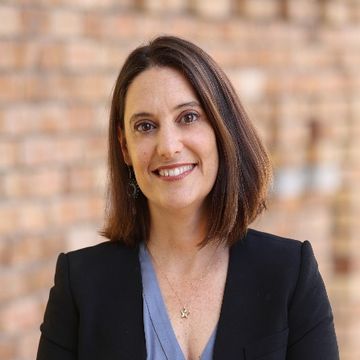
Prof Fiona Anciano
University of the Western Cape
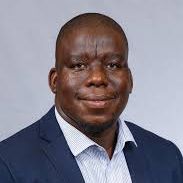
Prof Kgothatso Shai
University of Limpopo
Pfano Mashau has a PhD in Management Science with an interest in economics, entrepreneurship and business models. His journey in the education sector and business stems from a deep love for learning and a commitment to developing future leaders and professionals.
“I have gained experience across various organisations, including Bioregional Africa, JET Education Services, eThekwini Municipality and UKZN (Schools of Business and Leadership, and Management and Governance). These experiences have shaped me into a seasoned researcher and manager. Over the past 11 years in education, I have published over 70 articles, two edited books, convened three international conferences and supervised 12 PhD students,” shared Prof Mashau.
As a distinguished academic, Prof Mashau is a member of a few associations of academics and researchers including the Centre for Business and Economic Research in London and he is a certified business advisor with the Institute of Business Advisory Southern Africa. He has mentored young academics, post-doctoral fellows and guided professionals on their career paths.
Being appointed Director of the DUT Business School has filled Prof Mashau with immense joy and honour. His duties include overseeing academic programmes, driving strategic initiatives, building strong industry partnerships, managing staff and ensuring the overall excellence and relevance of their education.
“In today’s rapidly changing technological landscape, I am passionate about guiding my team to harness these opportunities for innovation and growth. We are currently focusing on increasing our visibility as a school, reviewing our programme offerings, and updating the School’s strategic plan. DUT Business School stands out by catering to professionals with NQF qualifications often overlooked by other business schools. We are developing a pathway for these professionals to pursue Doctoral programmes. This means at the DUT Business School, a student will be enabled to progress from NQF levels 5 to 10, setting them up for success,” explained Prof Mashau.
Together with his dedicated team of industry experts, they are dedicated to steer the DUT Business School to become a leading business education institution in Africa by offering timely interventions and curriculum that reflects the needs of today’s economy.
“My primary goal is to elevate DUT Business School as a leading business education institution in Africa. We plan to introduce new interdisciplinary programmes that combine business with technology, sustainability, and entrepreneurship. In the meantime, we aim to strengthen our partnerships with industry leaders to provide even more experiential learning opportunities for our students. My team and I will be actively pursuing strategic partnerships to ensure we achieve this vision. Over the next year, we will focus on branding and increasing our visibility. We also have exciting plans to relocate to a new, state-of-the-art office space, creating a truly business-oriented environment for our valued clients, particularly our students,” reiterated Prof Mashau.
He is very passionate about business mentorship and Prof Mashau strongly believes that by guiding and empowering the next generation of business leaders, the DUT Business School can unlock their potential for remarkable success.
Prof Sandy-Lyn Steenhuisen holds a DSI-NRF SARChI position in Trophic Ecology, and Associate Professorship in the Department of Plant Sciences (Faculty of Natural and Agricultural Sciences) at the University of the Free State’s (UFS) Qwaqwa Campus. Prof Steenhuisen leads the Qwaqwa Plant-Animal Interactions Research (Q-PAIR) team, is an affiliate of the Afromontane Research Unit (ARU), and an Executive Council member of the South African Association of Botanists (SAAB). Her research focus is on using cutting edge, next-generation science through widely established collaborative networks to explore how Africa’s scattered, ancient mountain ecologies face uncertain futures under Global Change, with major societal impacts on functional mountain ecologies, water provision, food security, and biodiversity conservation. Having graduated from University of KwaZulu-Natal in 2012 with a PhD in Ecological Sciences, she completed 5 years of postdoctoral research at University of Cape Town, first as a Claude Leon Foundation fellow and then as part of the first cohort of NRF Research career Advancement Fellows, joining UFS from 2017 as a Senior Lecturer. She formally established her Q-PAIR team in 2018 and the DSI-NRF SARChI Chair in 2026, through which she will lead some of the first prospective multidisciplinary studies on plant-animal interactions in this field in Africa. Her collaborative Q-PAIR team’s research findings have contributed to advancing research in ecological sciences in the Global South, focused on complex networks rather than fundamental biodiversity knowledge, impacting research capacity of early career researchers and strengthening multinational collaborative networks. With a National Research Foundation C2 rating (upgraded from Y1), Prof Steenhuisen is the author of 50 peer-reviewed publications, is a frequent speaker for national and international audiences and has received several scientific awards in recognition of her work, such as being placed as a finalist for the 2023/2024 NSTF-South32 awards in the Green Economy category. She has also been part of several prestigious research grants such as the BiodivClim-578 grant with the ARU and ETH Zurich, National Science Foundation 22-500 BRC-BIO (Building Research Capacity of New Faculty in Biology) Subaward with University of Wisconsin-Eau Claire and selected for the first cohort of the DHET Future Professors Programme led by Prof Jonathan Jansen. Prof Steenhuisen has successfully mentored 2 postdoctoral fellows, supervised 5 PhD, 16 Master’s and 13 Honours students, and currently hosts 2 postdoctoral fellows, and supervises 6 PhD, 6 Master’s students and 3 Honours students. She continues to serve as a science liaison for the Free State’s Wetland Forum and Northern Temperate Weeds Network, is an alumnus of the Mountain-to-Mountain Women’s Mentorship Programme in collaboration with Appalachian State University, chaired the 46th annual conference of SAAB at UFS, Qwaqwa, in 2020, was a member of the local organising committees for the UNESCO-endorsed 1st South African Mountain Conference (SAMC) in 2022 and SAAB in 2013, plus a member of the Scientific Review Committees for SAMC and The Conservation Symposium. She currently serves on the editorial boards of the established journals American Journal of Botany and South African Journal of Botany.
Prof Fiona Anciano is a Professor in the Department of Political Studies at the University of the Western Cape, and a Visiting Scholar at University West, Sweden. She leads the Politics and Urban Governance Research Group at UWC and holds an NRF SARChi Chair in Democracy and Urban Governance. A qualitative researcher specialising in Participatory Action Research, her work focuses on democratic participation, informal urban governance and just urban transitions. Her numerous publications include the co-authored book Democracy Disconnected: Participation and Governance in a City of the South. Her research combines critical scholarship with engaged and collaborative approaches to strengthening democratic practice and inclusive urban governance.
Kgothatso Shai is a Professor and DSTI/ NRF SARChI Chair in Liberation Heritage and Politics at the University of Limpopo in South Africa. He is also the Vice President (2025-2027) of the International Political Science Association (IPSA) and President (2023-2028) of the South African Association of Public Administration and Management (SAAPAM). He has been involved in several projects related to his research interests, a development that has culminated in his extensive research publication and supervision record within the discipline. He holds a master’s degree in political science, obtained cum laude, as well as a doctorate in international politics. Prof Shai is a recipient of countless academic and non-academic awards.
Day 3 | 11:30
Transformation in the Research Enterprise: Are We Making Real Progress?
Panel

Dr Ntsiki Tshayingca
Facilitator

Dr Nomhle Ngwenya
ST&I Business Forum
Prof Bonang Mohale
University of the Free State
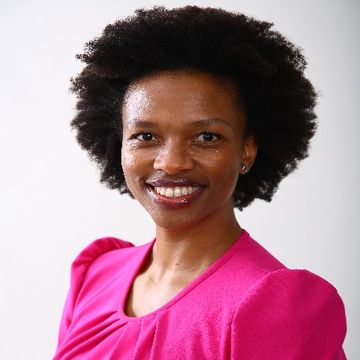
Ms Zamanzima Mazibuko-Makena
Mapungubwe Institute for Strategic Reflection (MISTRA)
Zamanzima Mazibuko-Makena is a Senior Researcher in the Knowledge Economy and Scientific Advancement Faculty at The Mapungubwe Institute for Strategic Reflection (MISTRA). She specialises in innovation studies centring inclusive and contextually relevant research. Her work focuses on how technological trends, systems of innovation, public policy (Science, Technology and Innovation), and environmental challenges intersect with inclusive socioeconomic development in Africa.
Mazibuko-Makena is the editor of and contributing author to key MISTRA volumes including, Leap 4.0: African Perspectives of the Fourth Industrial Revolution; Why Innovations Live or Die: South Africa’s Innovation System; and most recently South Africa in an Age of Disasters: Managing risk and building competence. She also works on research areas such as the hydrogen economy and the beneficiation of strategic minerals in South Africa (particularly platinum group metals), the low-carbon economy and the Just Energy transition and was part of the research team that worked on South Africa’s critical minerals strategy.
She holds a MSc (Med) cum laude in pharmaceutical sciences and is currently a PhD candidate at the Wits Business School (WBS) focusing on inclusive and endogenous pharmaceutical innovation in South Africa.
Committees
The adjudicators judging this year’s presentations, and the NRF teams who made the symposium happen.
Adjudicators
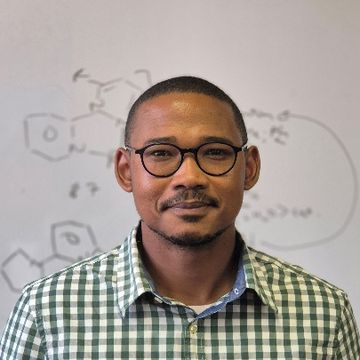
Prof Andrew Swarts
University of the Witwatersrand
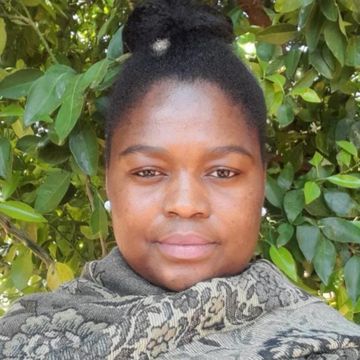
Dr Phindile Faith Ndlovu
University of KwaZulu-Natal
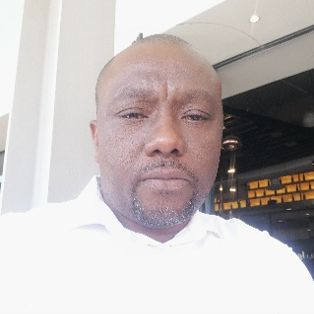
Dr Saturnin Ombinda-Lemboumba
CSIR
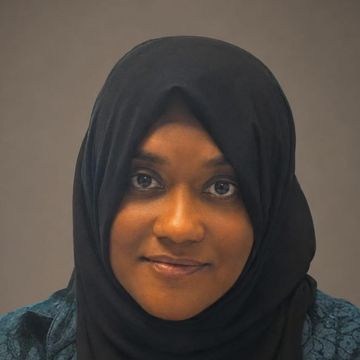
Dr Dhielnawaaz Abrahams
University of the Western Cape
Andrew Swarts is Associate Professor of Inorganic Chemistry and Discipline Head: Inorganic Chemistry in the School of Chemistry at the University of the Witwatersrand. He obtained his PhD from Stellenbosch University in 2014 under the supervision of Prof Selwyn Mapolie, specialising in organometallic synthesis and catalysis. Following his doctorate, he established a research programme focused on homogeneous catalysis, particularly the development and mechanistic understanding of environmentally benign catalysts for redox transformations. In 2018, he undertook a five-month research visit to the University of Bern, Switzerland, hosted by Prof Martin Albrecht, a leading international expert in organometallic chemistry and homogeneous catalysis. The visit was supported through NRF/ERC collaborative funding, a mobility grant, and an Oppenheimer Memorial Trust Sabbatical Scholarship. Since joining Wits in 2021, his research has focused on Catalysis for Sustainability, developing earth-abundant metal catalysts for sustainable chemical synthesis and energy applications. As a NRF C-rated researcher (2026-2031), his research has attracted funding from institutional and national sources, including NRF grants, with cumulative funding exceeding ZAR 7 million. Andrew was awarded the Jan Boeyens Prize of the South African Crystallographic Society, awarded to an early career South African researcher (under the age of 40 as of 31 December 2026) who has made a distinguished contribution to the utilisation of crystallography and other structural methods in a holistic manner to investigate fundamental problems in nature/industry in the period following and final stages of his/her PhD.
Dr Phindile Faith Ndlovu (PhD) is a Research Fellow at the University of KwaZulu-Natal, specializing in postharvest technology, agroprocessing, and food science and technology. Her research focuses on value addition, adulteration detection, and quality improvement of indigenous and underutilized crops, with particular emphasis on novel gluten-free food products incorporating indigenous and nutrient-rich exotic crops. Her expertise includes postharvest management, spectroscopic modelling, and evaluation of the microbiological, physicochemical, nutritional, and sensory properties of novel plant-based functional foods and agricultural materials. Her research outputs include peer-reviewed scientific publications, conference presentations, and contributions to research and development initiatives addressing postharvest quality, food security, food authenticity, and value addition. Her research highlights include marula (Sclerocarya birrea) fruit leather development evaluated through textural and sensory analysis; development of a rapid spectroscopic method for quantifying gluten as a potential biomarker for detecting adulteration of green banana flour; and Vis-NIR spectroscopic and chemometric modelling for detecting wheat contamination in premium green banana flour through resistant starch quantification. Dr Ndlovu recognition for research excellence includes the Southern African Society for Horticultural Sciences (SASHS) first prize for Best PhD Paper Presentation and a travel grant for Best Overall Presentation (2019), as well as first prize for PhD research presentation in the School of Agricultural, Earth and Environmental Sciences, KZN Department of Agriculture and Rural Development (2019). Her research has been supported by competitive funding from the National Research Foundation (NRF) Freestanding, Innovation and Scarce Skills Postdoctoral Fellowship (2025–2026), Moses Kotane Institute (2019–2021), and Agricultural Research Council (2015–2020).
Dr. Saturnin Ombinda-Lemboumba is a Senior Researcher in the Biophotonics Group at the Council for Scientific and Industrial Research (CSIR), South Africa. He holds a PhD in Physics from Stellenbosch University, specializing in laser physics and spectroscopy, and has more than 19 years of experience in laser spectroscopy, optics, photonics, and biophotonics research. His research focuses on the development of photonics-based, label-free diagnostic technologies for point-of-care healthcare applications, with particular emphasis on surface plasmon resonance biosensors, nanoplasmonics, Raman spectroscopy and smartphone biosensors platforms for the detection of tuberculosis and HIV-1.
Dr. Ombinda-Lemboumba has authored more than 80 peer-reviewed journal articles, conference proceedings, and popular science publications. He is an inventor on four internationally granted patents in Europe, China, and India, as well as one South African patent, with additional invention disclosures and technology demonstrators related to tuberculosis drug-resistance biosensors and HIV.
He serves on National Research Foundation (NRF) grant peer-review panels and reviews manuscripts for several international journals in photonics, biosensing, and applied physics. He is also a member of the Advisory Committee in the Department of Physics at Tshwane University of Technology (TUT). His research has attracted funding from the African Laser Centre (ALC) a NEPAD-recognized flagship programme that supports African researchers, NRF Thuthuka and Knowledge Interchange and Collaboration (KIC) programmes, and the Department of Science, Technology and Innovation (DSTI). He has also received recognition for excellence in human capital development and postgraduate training.
Dr Dhielnawaaz Abrahams is an NRF-DSTI RIPP Postdoctoral Fellow in Sensor Research at SensorLab and the ASPPEC Laboratory in the Department of Chemistry at the University of the Western Cape (UWC). She holds a PhD in Chemical Sciences and an MSc in Nanoscience from UWC. She completed her MSc cum laude, with her research focusing on polymer blends for supercapacitor applications. Building on her PhD work, her current research focuses on developing and characterising materials and electrochemical sensors for monitoring pharmaceuticals, emerging contaminants and water-quality parameters. She works with conducting polymers, nanomaterials, screen-printed electrodes, electrochemical methods and HPLC. Her research has included the detection of pharmaceuticals, phenolic compounds, nitrate and other contaminants in complex samples, with a focus on developing practical and affordable sensing platforms. She has shared her research through peer-reviewed publications and conference presentations. Her studies and research have been supported through SANHARP funding, an NRF Freestanding Doctoral Scholarship, the DSI-NRF Innovation Postdoctoral Fellowship and the NRF-DSTI RIPP Fellowship. In 2025, she received a UMSAEP Travel Award, which supported a three-month research visit to Professor Timothy Glass’s laboratory in Missouri, USA. She also contributes to postgraduate supervision, scientific peer review and academic initiatives.
Corporate Executive Team and Steering Committee
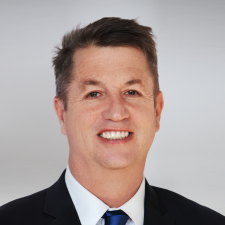
Dr Angus Paterson
ACEO: NRF, Deputy CEO: National Research Infrastructure Platform (NRIP), NRF
Dr Gugu Moche
Group Executive: Digital Transformation and Deputy CEO: RIISA, NRF
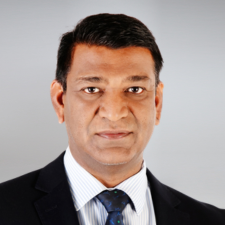
Mr Bishen Singh
Group Executive: Finance and Supply Chain Management, NRF
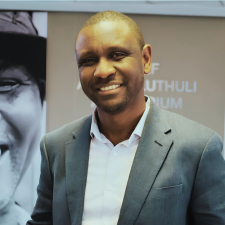
Dr Sepo Hachigonta
Acting Group Executive: Business Advancement, NRF

Organising Committee
Front row: Nkateko Maringa, Lizeka Ncudu, Moshidi Mosena, Zodwa Mahlangu, Gomotsegang Monaise, Nontokozo Kunene and Tshepiso Masemola.
Back row: Katleho Ralehoko, Sello Manoto, Sello Moloi, Unathi Nongxa and Mbulelo Ncango.
NRF Partners for Postgraduate Student Funding




The future of research needs your voice.